⚠️
About This Content
These tips are automatically generated by an AI language model via Ollama. While the content aims to be helpful, it may contain errors or outdated information. Always verify advice against reliable sources before applying it to your projects.
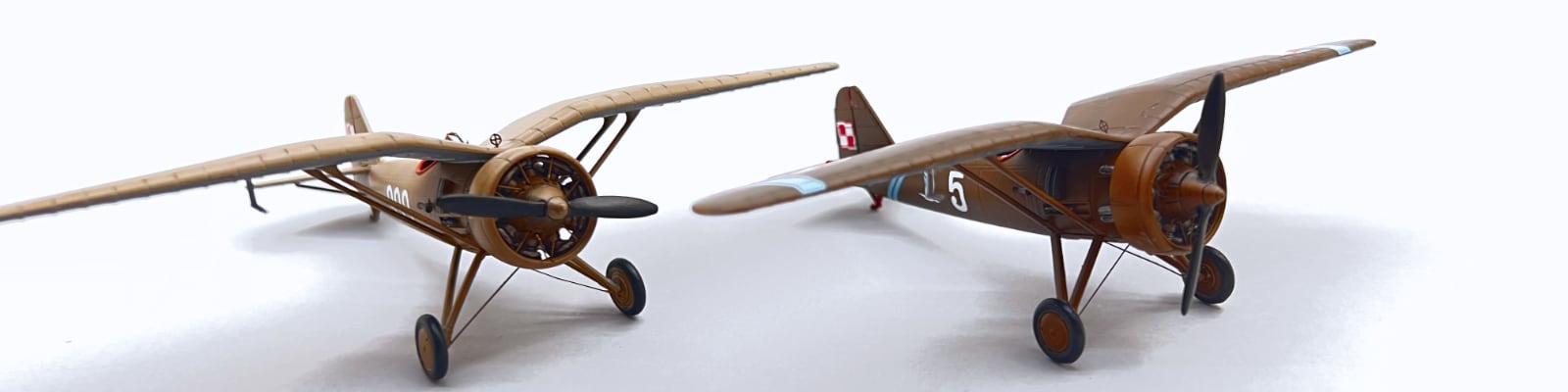
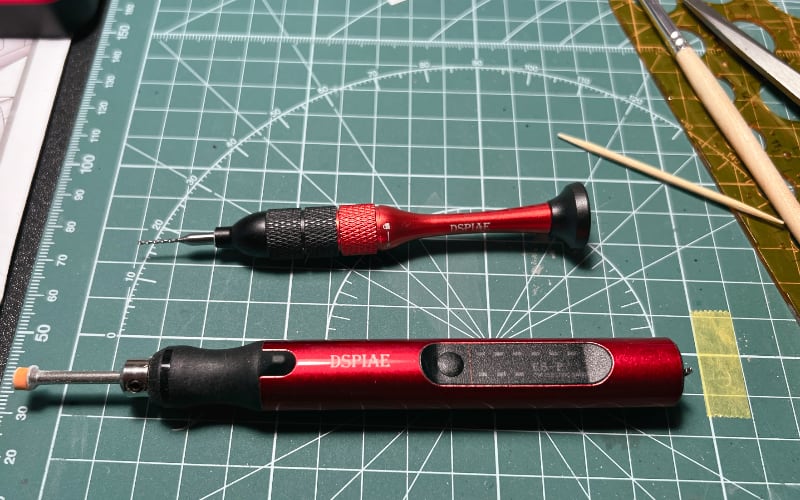
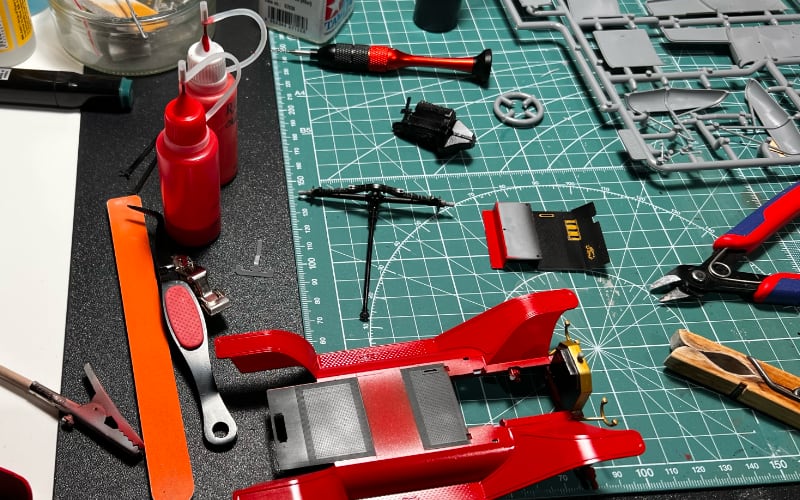
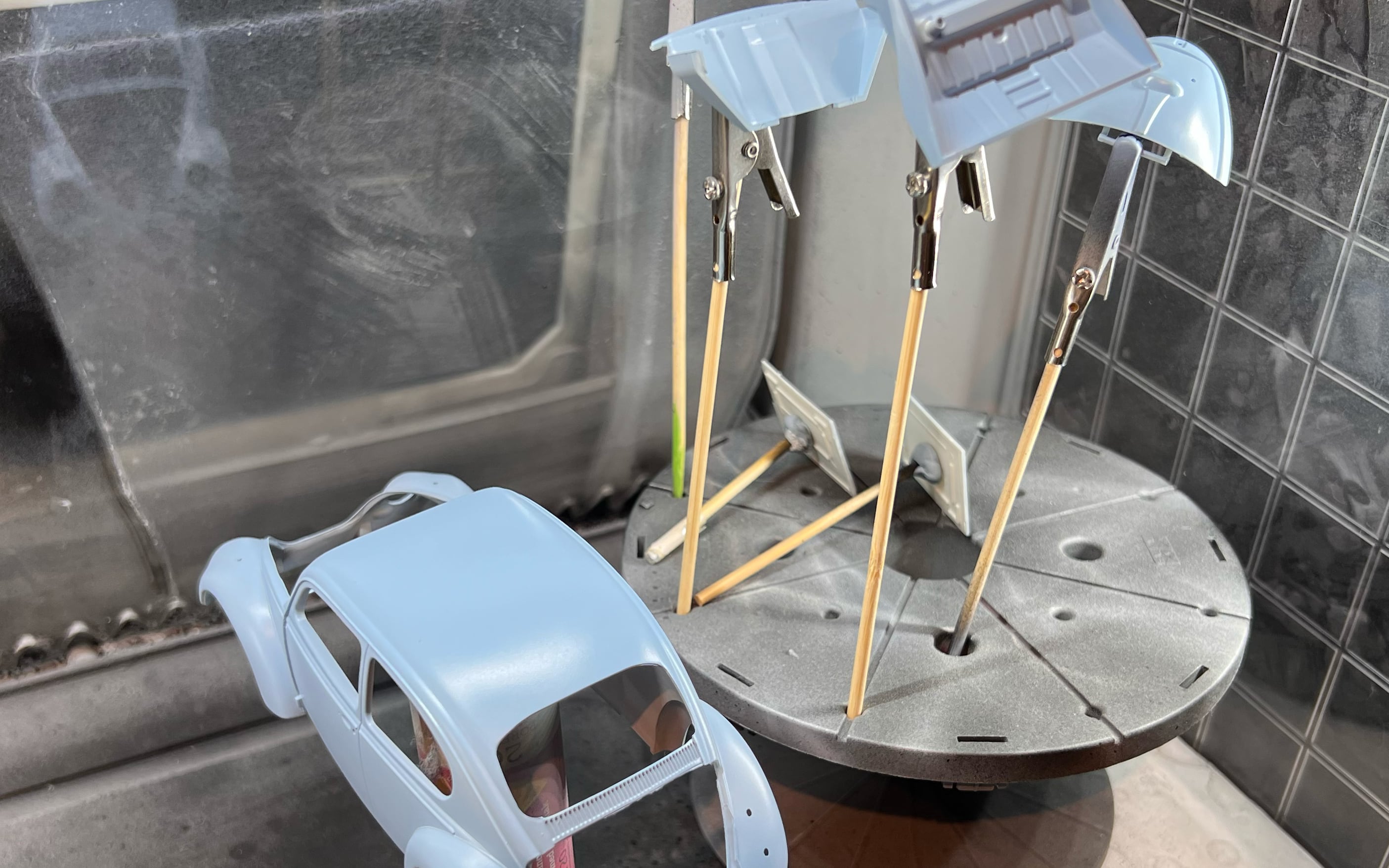
All images are original photographs taken by the project creator from actual scale models. However, the card images may not necessarily illustrate the specific tip on that card — they are selected randomly from the available photo collection for visual variety.
1
Scribing Panel Lines with RB Productions Tools
For precise panel scribing, use RB Productions tools. First, lightly score the panel lines with a pencil to avoid deep scratches. Then, use the RB Productions Scriber to carefully trace along the lines, applying light pressure. For deep scribing, use the RB Productions Deep Scriber, but be cautious not to dig too deep. Finish with a gentle touch of a file or sandpaper to remove any burrs.
🔍 Search for more
2
Airbrush Needle Cleaning with Iwata Compressed Air
Regularly clean your Iwata airbrush needle to maintain performance. After each use, disassemble the needle, and using compressed Iwata air, blow through it to remove any dried paint. Then, use an Iwata Airbrush Cleaning Brush to scrub the needle's tip, followed by a quick blast of air to dry. Reassemble the needle, and you're ready for your next session.
🔍 Search for more
3
Masking with Tamiya Tape vs. Kabuki Tape
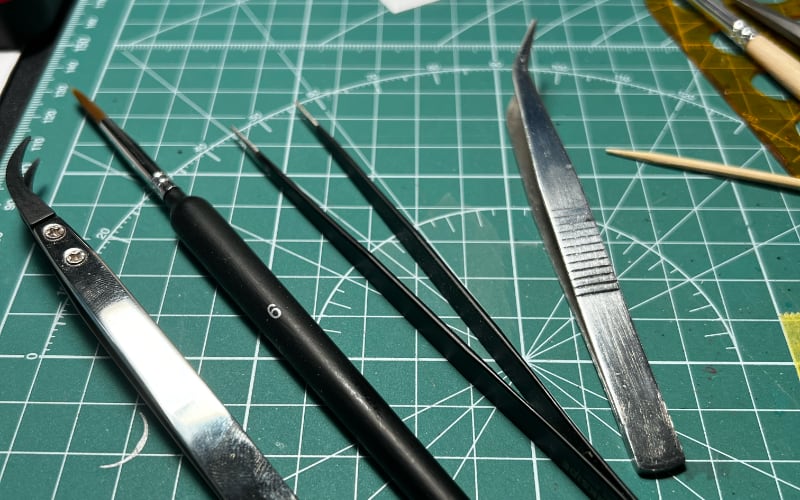
For curved surfaces, use Tamiya Tape for easy application and removal. For complex shapes or tight spots, opt for Kabuki Tape's precision. Apply Tamiya Tape in long strips, using a ruler to crease sharp corners. For Kabuki Tape, cut it into smaller pieces, applying it carefully with tweezers. Both tapes can be left on overnight before painting without fear of peeling.
🔍 Search for more
4
Sanding Stick Progression with ICM Models
ICM Models' sanding sticks come in varying grits for progressive sanding. Start with ICM 240 grit for heavy stock removal, then progress to ICM 320, 400, and 600 grit for refining. After each stage, wipe the part with a damp cloth to remove dust. For the finest details, use ICM 800 grit or higher, followed by a microfiber cloth for a mirror finish.
🔍 Search for more
5
Scratch-Building with Evergreen Styrene Sheet
Evergreen Styrene Sheet is perfect for creating custom details or entire models. To cut parts, use a sharp hobby knife and a metal ruler for straight lines. For curves, use a self-healing cutting mat and a swivel knife. To bend styrene, carefully score the line with a needle tool, then use tweezers to bend along the score. Glue parts together using Tamiya Extra Thin Cement, allowing the solvent to do the work.
🔍 Search for more