⚠️
AI-Generated Content
These tips are automatically generated by an AI language model (Llama 3.1 via Ollama). While the content aims to be helpful and accurate, it may contain errors or outdated information. Always verify advice against reliable sources before applying it to your projects.
1
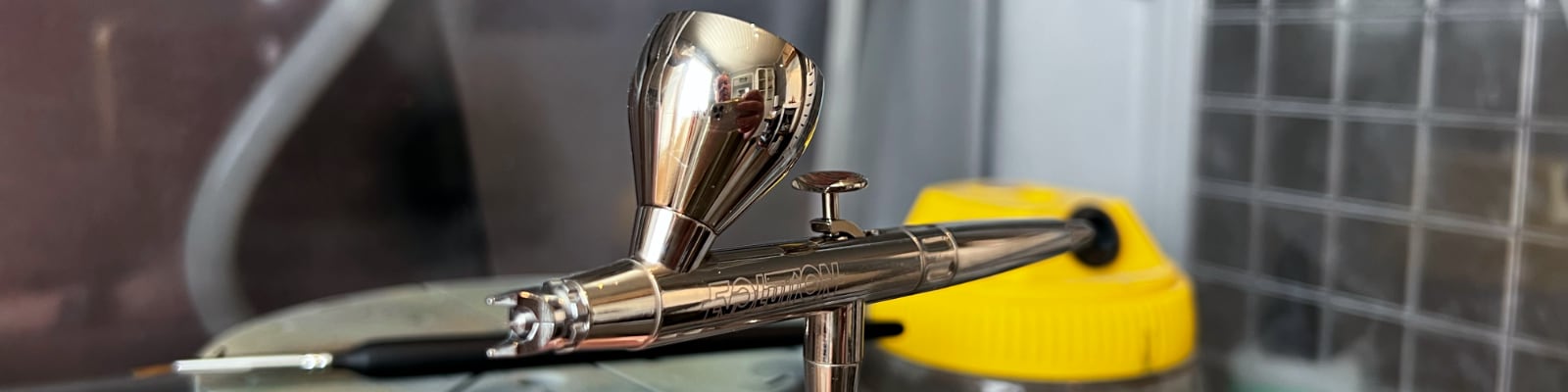
Airbrushing: Use a Pressure Regulator
When airbrushing, use a pressure regulator to adjust the air pressure to match the viscosity of the paint. This ensures a consistent flow rate and prevents paint from being pushed through the brush too quickly, causing uneven coats.
2
Hand Painting: Use a Masking Fluid
Apply a masking fluid (such as frisket or Winsor & Newton's Masking Fluid) to areas where you don't want paint to bleed, allowing you to paint delicate details without worrying about overspray.
3
Primer: Use a Thinner Primer for Small Details
When painting small details, use a thinner primer (such as Tamiya's Primer or Vallejo's Primer) to ensure a smooth, even coat that won't obscure fine lines or textures.
4
Decals: Use a Decal Set with a Water-Based Adhesive
For decals with a water-based adhesive (such as those from Microscale or Vallejo), apply a small amount of water to the decal and let it sit for a few seconds before applying it to the model, allowing the adhesive to flow and adhere properly.
5
Weathering: Use a Thinned-out Wash for Realistic Gradients
To create realistic weathering gradients, thin out a wash (such as Tamiya's Panel Line Wash or Vallejo's Wash) with a small amount of water or thinner, and apply it to the model in a smooth, even motion, allowing the wash to flow into the crevices and recesses.