⚠️
About This Content
These tips are automatically generated by an AI language model via Ollama. While the content aims to be helpful, it may contain errors or outdated information. Always verify advice against reliable sources before applying it to your projects.
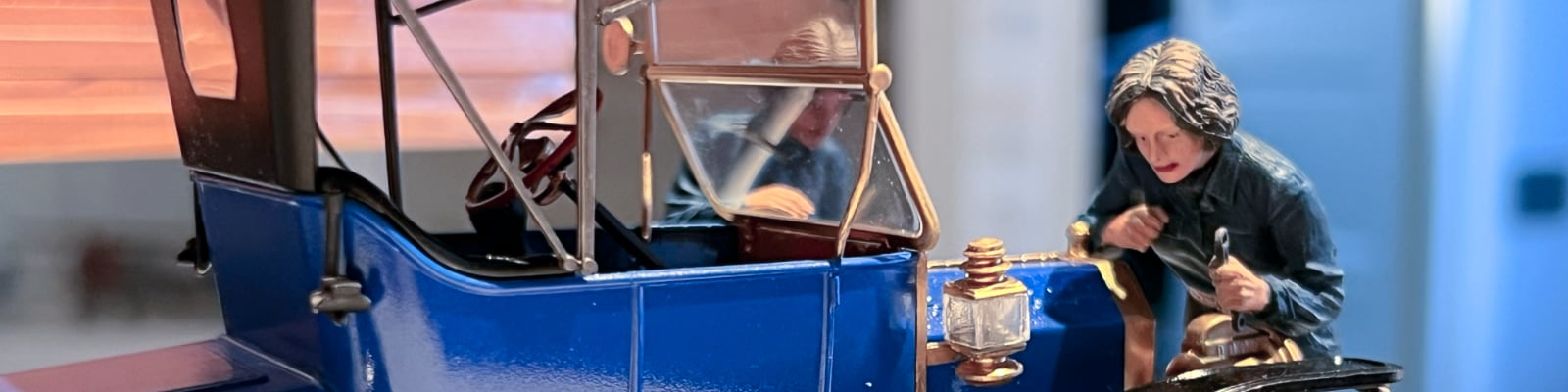
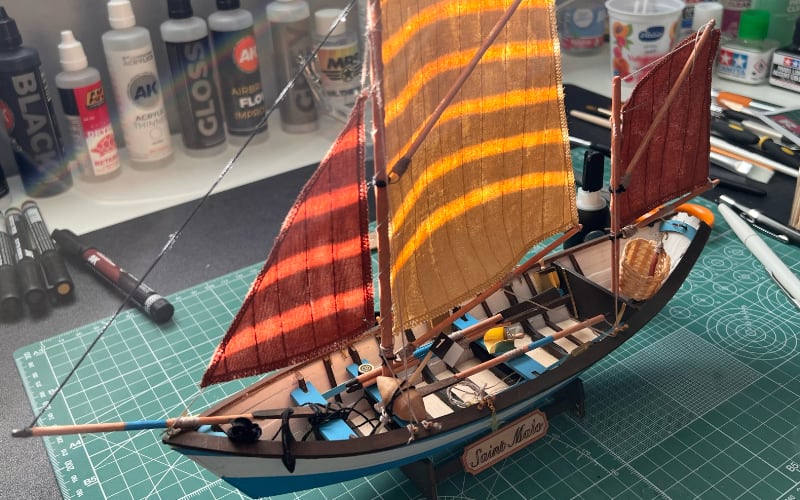
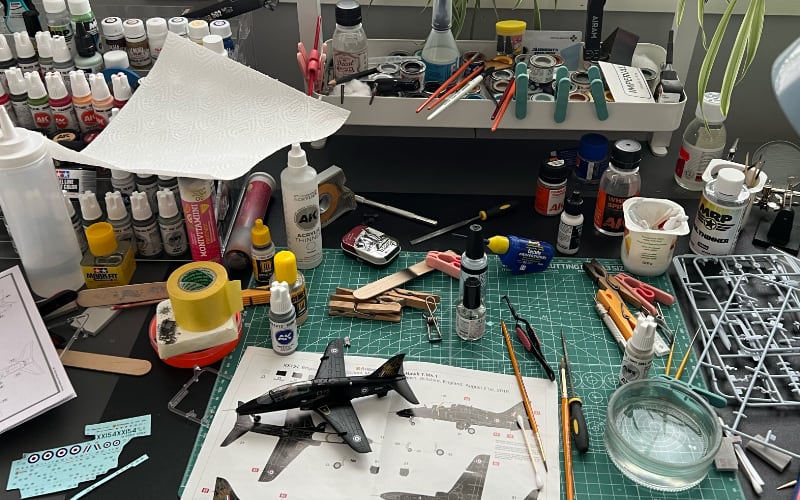
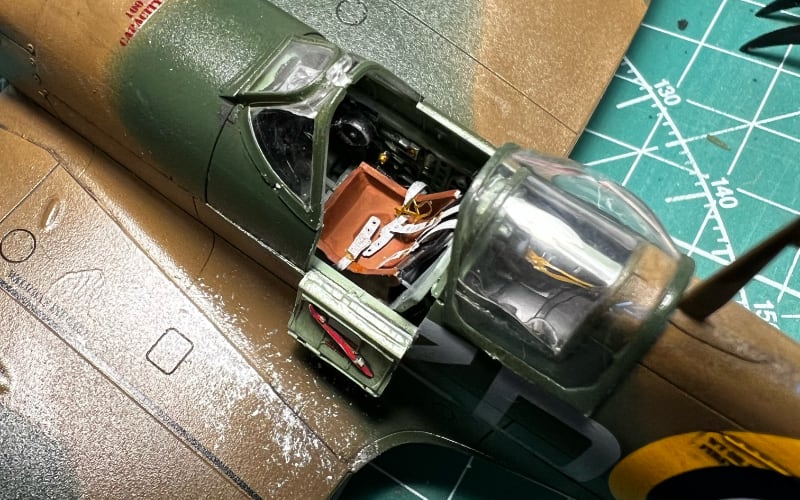
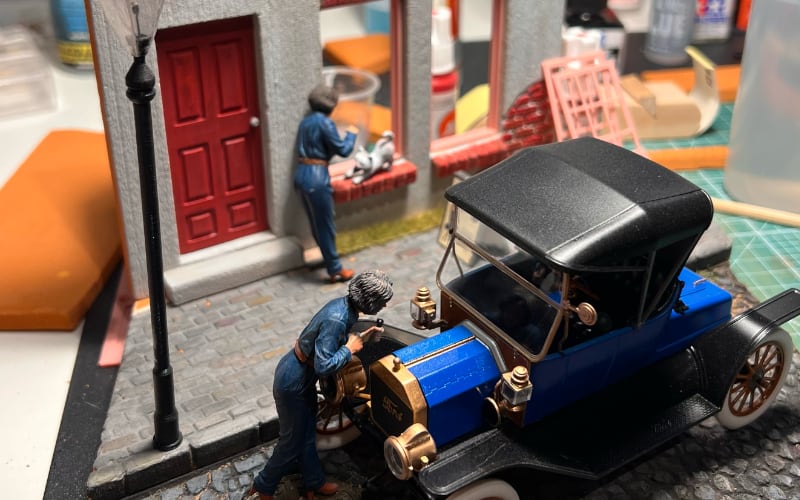
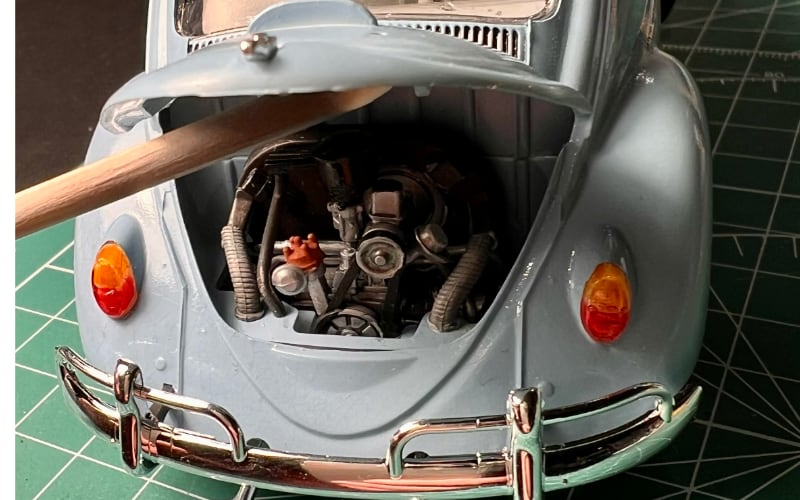
All images are original photographs taken by the project creator from actual scale models. However, the card images may not necessarily illustrate the specific tip on that card — they are selected randomly from the available photo collection for visual variety.
1
Removing Old Paint from Kits
To strip old paint from kits, use Mr. Hobby Super Thinner (Toluene) or Acetone. Apply sparingly on a cotton swab, gently rub painted areas. For stubborn paint, use Acetone with a soft brush, rinse with water, and dry thoroughly before painting. Always wear gloves and work in a well-ventilated area.
🔍 Search for more
2
Fixing Broken Photo-Etch Parts
To repair broken photo-etched parts, use CA (Cyanoacrylate) glue like Tamiya Extra Thin Cement. Apply a small amount to the joining edge, press parts together immediately. Use tweezers or clamps to hold them in place until set. Sand any excess glue with fine grit sandpaper.
🔍 Search for more
3
Recovering Clogged Airbrushes
To unclog an Iwata airbrush, disassemble it and soak the nozzle and needle in Acetone for 15 minutes. Use a soft brush to scrub gently, then reassemble and test-spray with Vallejo Airbrush Thinner. If clog persists, repeat process or consult manufacturer's cleaning kit.
🔍 Search for more
4
Fixing Warped Parts
To repair warped plastic parts, place the piece between two flat surfaces, then gently heat with a hairdryer on low setting. As it warms, carefully apply pressure to straighten it. Once flattened, allow it to cool completely while held in place. For severe warping, use a heat gun and clamp.
🔍 Search for more
5
Avoiding Frost from Rattle Cans
To prevent frost from forming on rattle cans, warm them gently in warm water (not hot) for 5-10 minutes before use. Shake vigorously to mix paint thoroughly. Apply paint in well-ventilated areas and avoid painting in cold, damp conditions. Always test spray first on scrap material.
🔍 Search for more