⚠️
About This Content
These tips are automatically generated by an AI language model via Ollama. While the content aims to be helpful, it may contain errors or outdated information. Always verify advice against reliable sources before applying it to your projects.
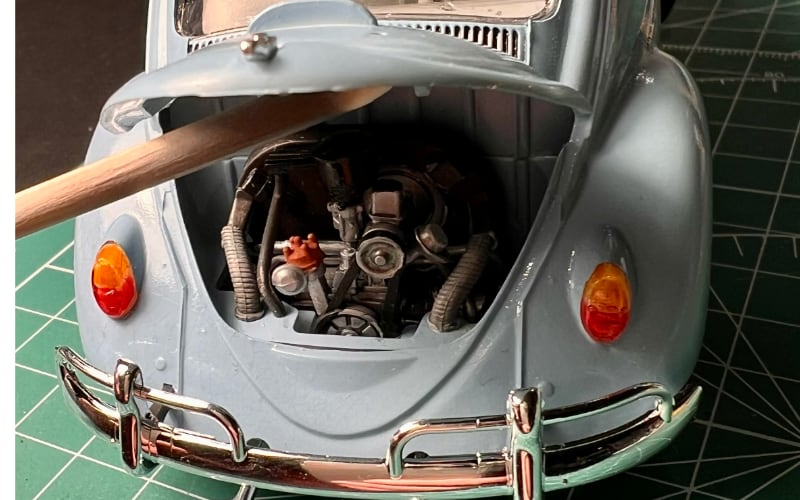
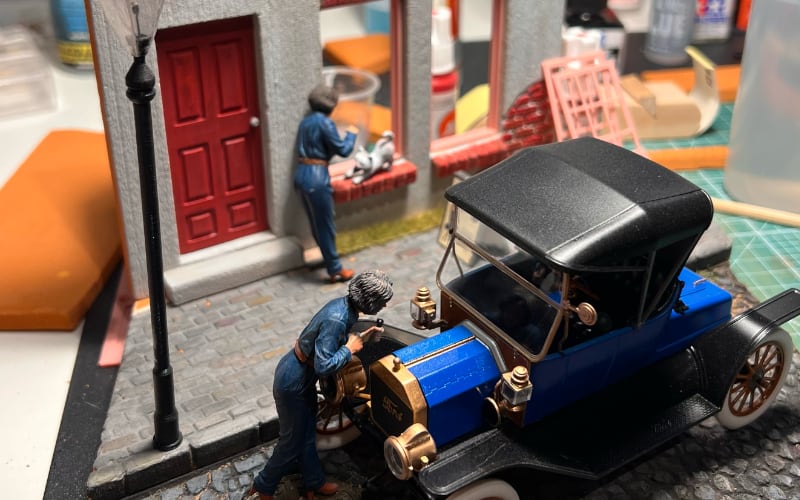
All images are original photographs taken by the project creator from actual scale models. However, the card images may not necessarily illustrate the specific tip on that card — they are selected randomly from the available photo collection for visual variety.
1
Removing Old Paint from Plastic Model Kits
To strip old paint from plastic kits, use a chemical stripper like Vallejo Model Color Thinner (50% solution). Apply with a brush, wait 15 minutes, then scrub with an old toothbrush. Rinse with water and dry thoroughly. For stubborn paint, use methylated spirits or acetone, but test on a small area first to prevent damaging plastic. Avoid using these solvents on metal parts.
🔍 Search for more
2
Fixing Broken Photo-Etch Parts
To repair broken photo-etch parts, use super glue (CA glue) like Mr. Hobby Bond. Apply a small drop on the inside of the part, let it wick in, then press gently until set. For larger gaps, use a two-part epoxy like Arma Hobby Plastic Repair. Mix equal parts, apply with a toothpick, and clamp or weigh down until cured. Sand and polish excess after curing.
🔍 Search for more
3
Recovering Clogged Airbrushes
To unclog an airbrush, first disassemble it according to the manufacturer's instructions. Soak the and needle in acetone or isopropyl alcohol for 15 minutes, then scrub with a soft brush. For stubborn clogs, use an airbrush cleaning kit like Iwata's Citadel Cleaning Kit, which contains cleaning solution and a cleaning wire. Reassemble and test after cleaning.
🔍 Search for more
4
Fixing Paint Reactions/Bubbling
Paint reactions or bubbling can occur due to high humidity or contaminants. To fix, sand the affected area lightly with fine grit sandpaper, wipe with isopropyl alcohol, and let dry. Apply a fresh, well-mixed coat of paint, ensuring the surface is primed and dust-free. If reactions persist, consider using a different paint brand or adding flow improvers like Vallejo's Airbrush Thinner or AK Interactive's Flow Improver.
🔍 Search for more
5
Repairing Warped Parts
To repair warped plastic parts, soak in warm water for 10-15 minutes to soften, then gently reshape over a flat surface. Let dry naturally. For severe warping, use a hairdryer on low heat to soften the plastic, then reshape and hold in place until cool. To prevent warping, avoid exposing kits to direct sunlight or extreme temperatures.
🔍 Search for more