⚠️
About This Content
These tips are automatically generated by an AI language model via Ollama. While the content aims to be helpful, it may contain errors or outdated information. Always verify advice against reliable sources before applying it to your projects.
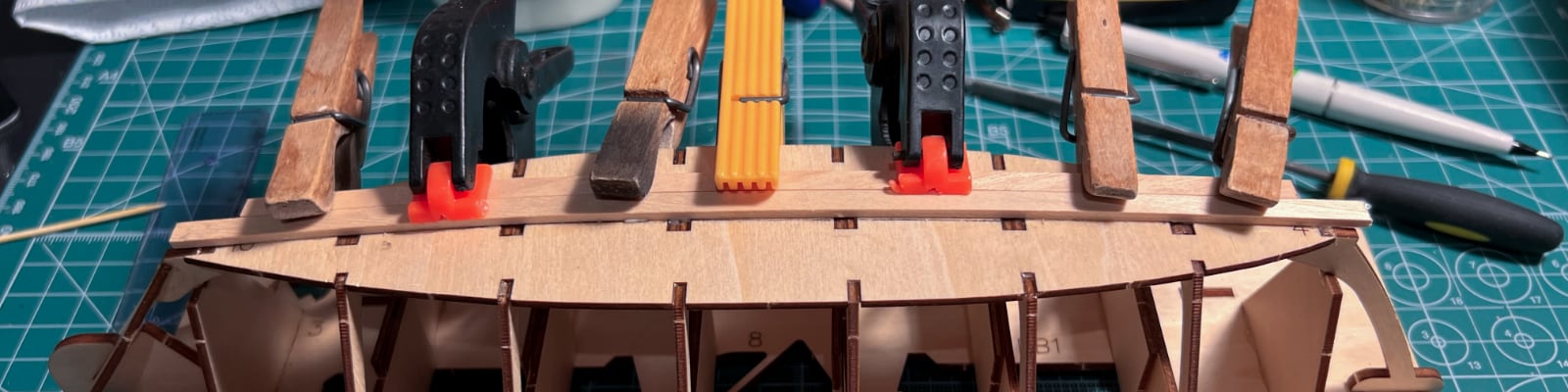
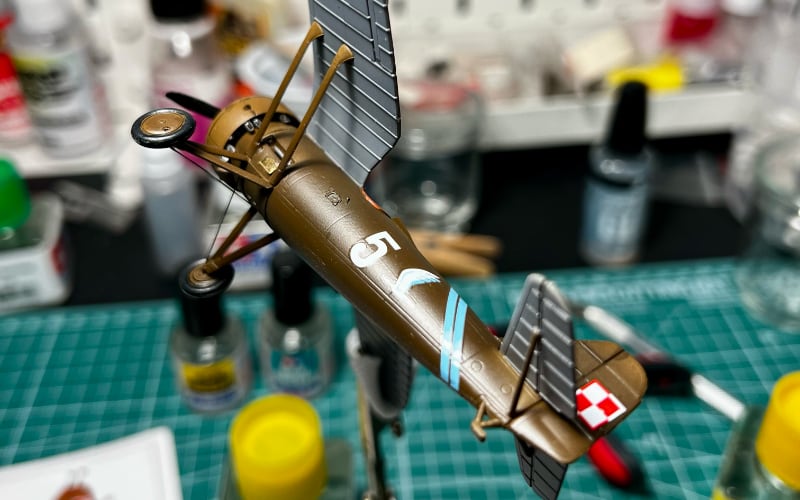
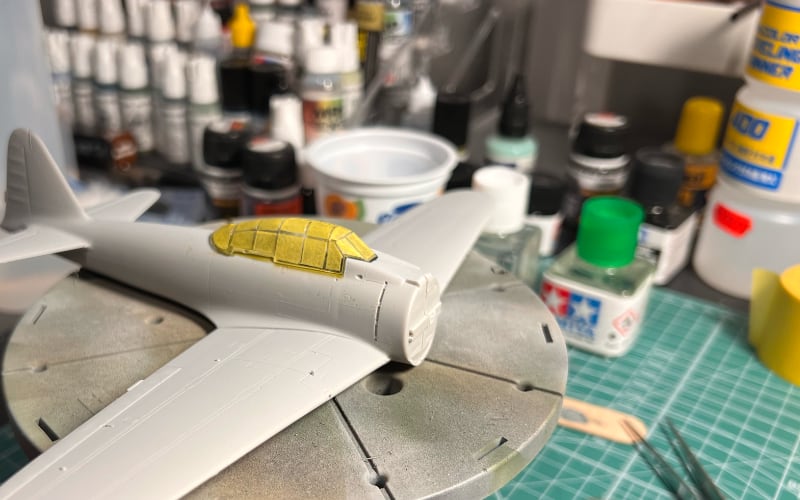
All images are original photographs taken by the project creator from actual scale models. However, the card images may not necessarily illustrate the specific tip on that card — they are selected randomly from the available photo collection for visual variety.
1
Choosing the Right Glue for Different Plastics
For polystyrene (PS) parts common in most kits, use Tamiya Extra Thin Cement. For ABS parts found in some modern kits, use Tamiya Cement in the green bottle. For soft or delicate PE parts, use CA (Cya) glue like Loctite Super Glue Ultra. Apply sparingly, press parts together immediately, and let cure for recommended time before handling.
🔍 Search for more
2
Selecting the Right Paint Type
For most applications, use Vallejo Model Air or Model Color acrylics. They're water-based, easy to clean, and provide excellent adhesion. For metallic or clear finishes, consider Vallejo Metal Color or Alclad II. For enamel effects, use AMMO by Mig Jimenez enamels. Always thin paints with their respective brands' thinner for best results.
🔍 Search for more
3
Choosing the Right Sandpaper Grits
For initial surface preparation, use 150-220 grit sandpaper to remove mold lines and flash. For smoothing putty or filler, use 220-320 grit. For final sanding before painting, use 400-600 grit. Always wet-sand to minimize dust and swirl marks. Use sanding sticks or blocks for even pressure.
🔍 Search for more
4
Selecting the Right Filler for Gaps
For small gaps and seams, use Tamiya Putty. For larger gaps or porous surfaces, mix Vallejo Plastic Putty with water until it reaches a creamy consistency. Apply with a brush or spatula, let dry, sand smooth, and touch up with paint. Alternatively, fill gaps with CA glue and baking soda for a rapid, abrasive filler.
🔍 Search for more
5
Choosing the Right Decal Setting Solutions
For most cases, use Microscale Micro Set to soften and Micro Sol to slide decals into place. For thicker or more fragile decals, use Mr. Mark Softer for gentle setting without dissolving the decal paper. Always follow up with Micro Sol to ensure full adhesion.
🔍 Search for more