⚠️
About This Content
These tips are automatically generated by an AI language model via Ollama. While the content aims to be helpful, it may contain errors or outdated information. Always verify advice against reliable sources before applying it to your projects.
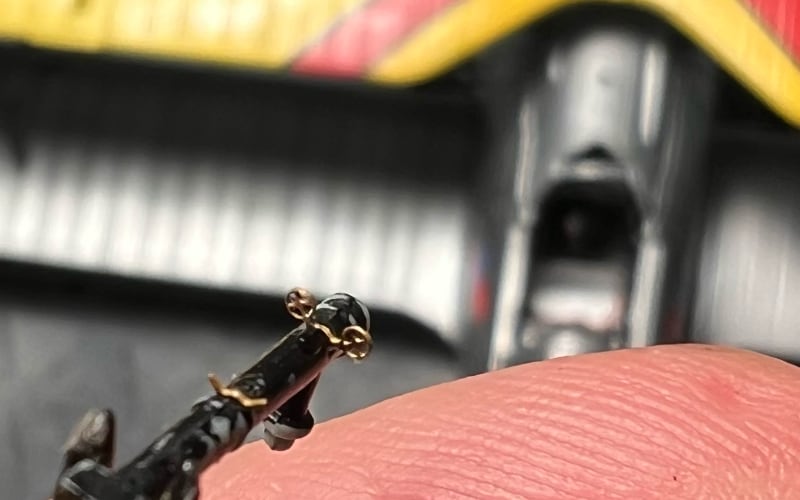
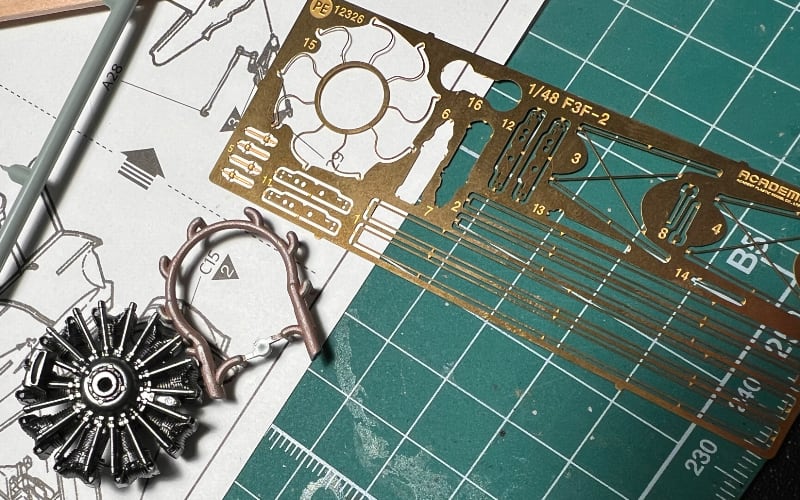
All images are original photographs taken by the project creator from actual scale models. However, the card images may not necessarily illustrate the specific tip on that card — they are selected randomly from the available photo collection for visual variety.
1
Selecting the Right Paint for Model Kits
Choose acrylic paints like Vallejo Model Air or Model Color for most applications due to their ease of use, adhesion, and drying times. For enamel-based paints like Tamiya Acrylics or Humbrol, use them for their durability and longevity. Lacquers like Alclad II are ideal for metallic finishes due to their high gloss and durability. Always use the recommended thinner for each paint type.
🔍 Search for more
2
Choosing the Right Sandpaper Grits for Each Stage
For initial surface preparation, use coarse 120-180 grit sandpaper to remove mold seams and flash. For smoothing putty or filler, use medium 220-320 grit. For final sanding before painting, use fine 400-600 grit to achieve a smooth surface. Wet/dry sandpaper from brands like Tamiya or Norton provides better control and reduced dust.
🔍 Search for more
3
Filling Gaps with Vallejo Plastic Putty
Vallejo Plastic Putty is ideal for filling gaps due to its lightweight, fast-drying formula. Apply a thin layer with a brush or palette knife, allowing it to dry completely. Sand with progressively finer grits, starting with 220 grit, then 320, and finally 400 grit before painting. Avoid using super glue and baking soda mixture as it can create bubbles and is harder to sand.
🔍 Search for more
4
Photo-Etch vs Resin Detail Parts
For intricate details, photo-etch (PE) from brands like Eduard or ICM is superior. PE offers fine details not achievable with plastic or resin. For complex shapes and heavy details, resin parts from brands like MiniArt or Arma Hobby excel. Choose based on the level of detail and complexity required. PE is better for intricate, thin details, while resin is better for complex, heavy details.
🔍 Search for more
5
Choosing the Right Decal Setting Solutions
For most applications, use Microscale Micro Set/Sol for decal setting. Micro Set helps decals slide into position, while Micro Sol softens the decal film for better adherence. For stubborn decals, use Mr. Mark Softer or Citadel Decal Medium. Apply sparingly with a fine brush, working from the center outwards to avoid creating bubbles. Always follow the manufacturer's instructions.
🔍 Search for more