⚠️
About This Content
These tips are automatically generated by an AI language model via Ollama. While the content aims to be helpful, it may contain errors or outdated information. Always verify advice against reliable sources before applying it to your projects.
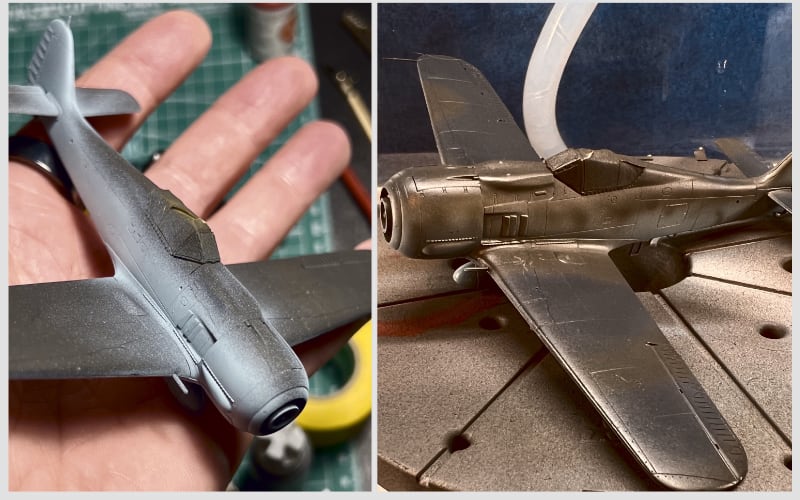
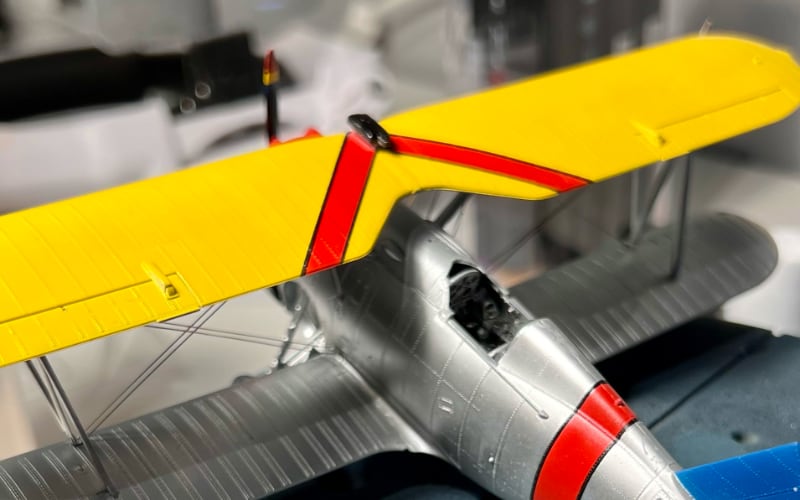
All images are original photographs taken by the project creator from actual scale models. However, the card images may not necessarily illustrate the specific tip on that card — they are selected randomly from the available photo collection for visual variety.
1
Airbrushing Vallejo Model Air — The 2:1 Ratio
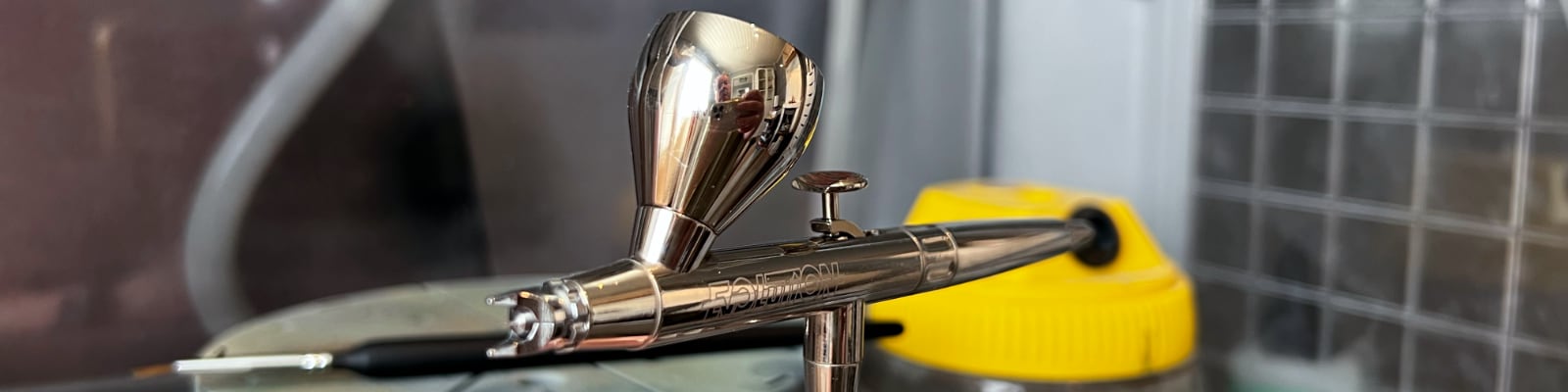
Vallejo Model Air is thinner than Model Color and requires thinning for airbrushing. Mix at a 2:1 ratio with Vallejo Airbrush Thinner. Add 2-3 drops of Vallejo Flow Improver per 10 drops of thinned paint to ensure smooth flow. Spray at 1.5-2.0 bar pressure. Test on a white plastic spoon — if the paint spiders outward, reduce pressure; if it splatters, add more thinner.
🔍 Search for more
2
Base Coat Technique with Tamiya Acrylics
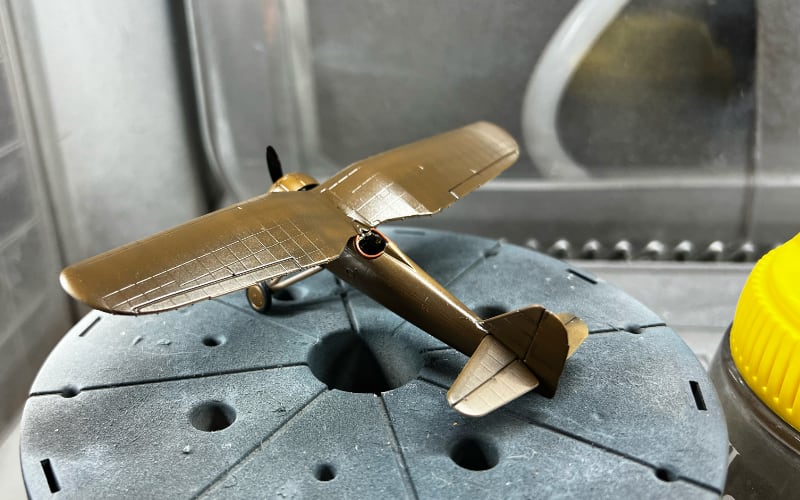
For base coats, use Tamiya Acrylics diluted with Tamiya Acrylic Thinner at a 3:1 ratio. Stir well and filter through a fine mesh strainer. Apply 2-3 light coats, allowing each to dry for 5-10 minutes. Start with a light coat to avoid obscuring panel lines and details. Use a badger 150 airbrush at 15-20 psi.
🔍 Search for more
3
Camouflage Masking with Mr. Hobby Tape
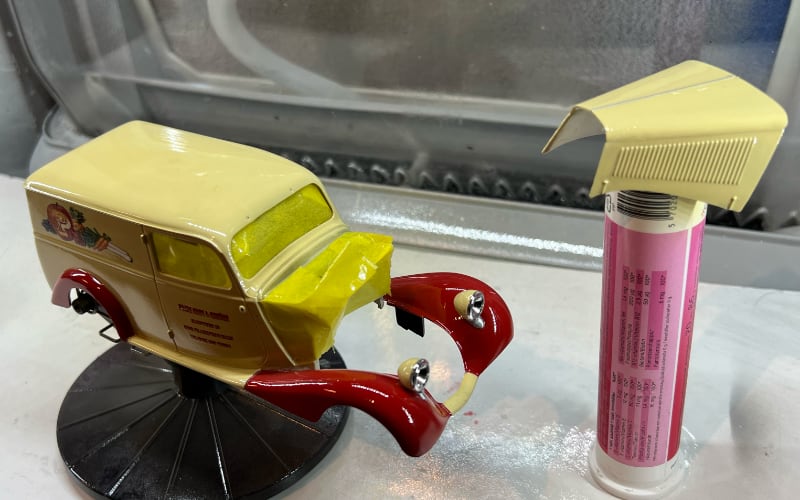
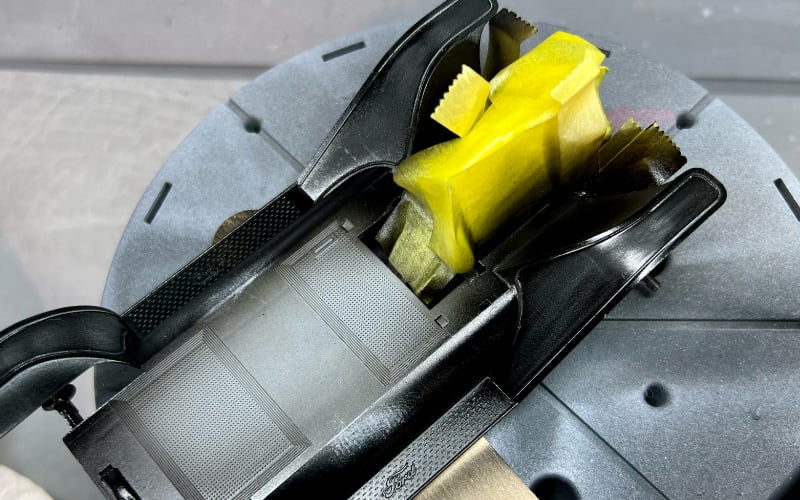
For complex camouflage patterns, use Mr. Hobby Masking Tape. Cut strips to match panel lines and shapes, pressing firmly to ensure a good seal. Apply a light coat of Vallejo Model Color (diluted 1:1 with Vallejo Airbrush Thinner) as a primer. This helps seal the model and improves paint adhesion. Allow to dry thoroughly before applying topcoats.
🔍 Search for more
4
Applying AK Interactive Washes — The Wet Method
For a subtle effect, apply AK Interactive Washes using the 'wet' method. Dilute the wash with distilled water at a 1:3 ratio. Using a fine brush, apply the wash to panel lines, crevices, and other recessed areas while the model is still wet from a light spray of Vallejo Airbrush Thinner. Wipe off excess with a damp cloth or cotton swab. Allow to dry thoroughly before handling.
🔍 Search for more
5
Streaking with Oil Paints — The 'Wet-on-Wet' Technique
To create realistic streaks, use the 'wet-on-wet' technique with oil paints. Dilute oil paints with odorless mineral spirits at a 1:1 ratio. Apply thin lines of oil paint to the model where streaks would naturally occur. While the paint is still wet, gently blend with a soft brush or cloth, allowing some streaks to remain visible. Allow to dry completely before applying a flat coat.
🔍 Search for more