⚠️
About This Content
These tips are automatically generated by an AI language model via Ollama. While the content aims to be helpful, it may contain errors or outdated information. Always verify advice against reliable sources before applying it to your projects.
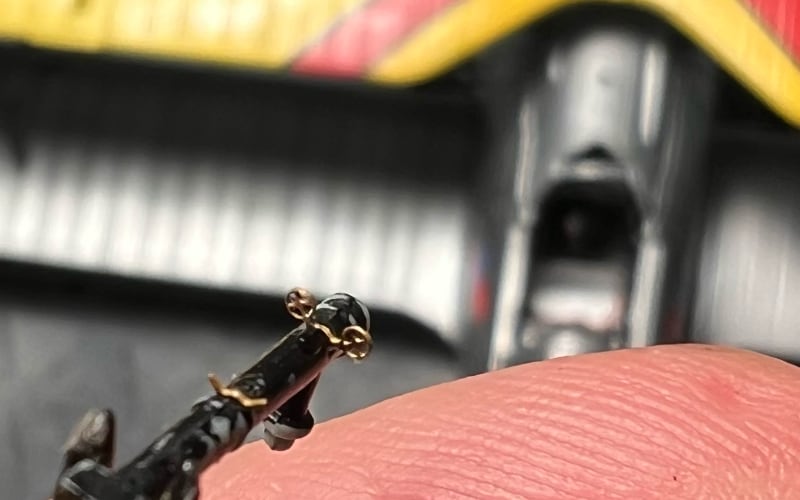
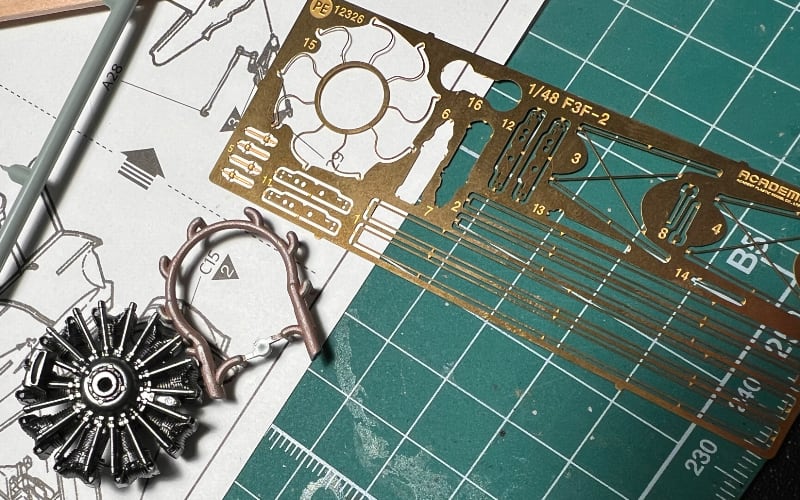
All images are original photographs taken by the project creator from actual scale models. However, the card images may not necessarily illustrate the specific tip on that card — they are selected randomly from the available photo collection for visual variety.
1
Selecting the Right Paint Type for Scale Models
For detail and ease of use, acrylics like Vallejo Model Air are ideal. They're water-based, non-toxic, and offer a wide color range. For enamels, try Tamiya Acrylic Paints (e.g., Rubber Black) for better adhesion and no need for thinning. Lacquers like Alclad II offer metallic and clear finishes but require specialized handling. Always test paints on spare parts first.
🔍 Search for more
2
Choosing the Right Sandpaper Grits for Different Stages
For initial sanding after filing seams, use coarse grits like 120 or 150. For preparing surfaces for painting, switch to medium grits like 220 or 320. Fine grits, such as 400 or 600, are used for removing minor imperfections before decals and final coats. For polishing, use wet/dry sandpaper in grits from 800 to 2000, gradually increasing.
🔍 Search for more
3
Filling Gaps: Tamiya Putty vs Vallejo Plastic Putty
Tamiya Putty is versatile, self-leveling, and easy to use, perfect for large gaps and seams. Vallejo Plastic Putty is more watery, ideal for thin gaps and hard-to-reach areas. To use, apply with a brush or syringe, let dry, sand smooth, and paint over. For deeper gaps, consider using super glue mixed with baking soda.
🔍 Search for more
4
Photo-Etch vs Resin Detail Parts: Which to Choose?
Photo-etch (e.g., Eduard, Eduard Brass) offers thin, detailed parts but can be fragile and tricky to bend. Resin (e.g., MiniArt, ICM Resin Upgrade Set) is stronger and easier to handle but lacks some detail. For delicate parts, consider using photo-etch first, reinforcing with resin where needed. Always test-bend parts on spares before assembly.
🔍 Search for more
5
Selecting the Right Decal Setting Solutions
For most decals, use Microscale Microsol to float decals into place. For stubborn decals, try Mr. Mark Softer first, then Microsol. Avoid using water with decals, as it can damage them. For clear parts like canopies, use Microsol only, without water or Softer. Always apply decals over a gloss coat and seal with a flat coat afterwards.
🔍 Search for more