⚠️
About This Content
These tips are automatically generated by an AI language model via Ollama. While the content aims to be helpful, it may contain errors or outdated information. Always verify advice against reliable sources before applying it to your projects.
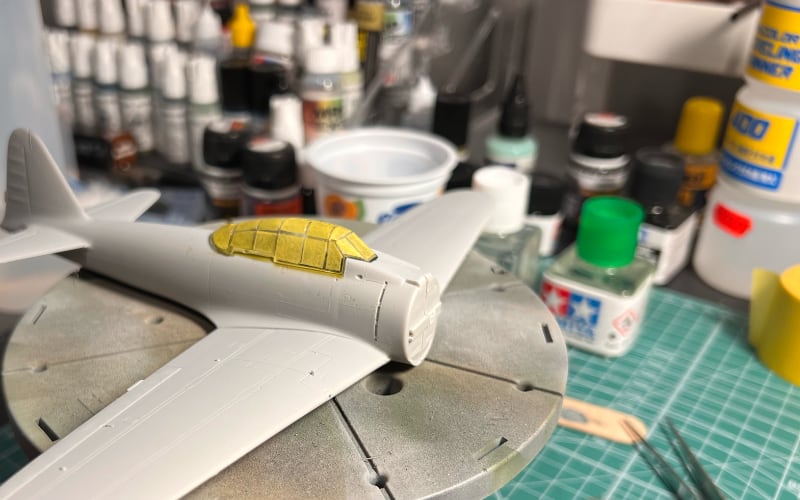
All images are original photographs taken by the project creator from actual scale models. However, the card images may not necessarily illustrate the specific tip on that card — they are selected randomly from the available photo collection for visual variety.
1
Selecting the Right Sandpaper Grits for Different Stages
For initial preparation of plastic surfaces, use 240-grit sandpaper like Tamiya Sanding Stick to remove mold lines and imperfections. For smoothing putty, switch to 400-grit for gentle work on delicate areas. Finish with 800-grit for a fine surface before painting. Always sand in one direction to avoid creating scratches.
🔍 Search for more
2
Choosing the Right Paint Type for Acrylic vs Enamel vs Lacquer
Acrylic paints like Vallejo Model Air and Tamiya Acrylics are water-based, non-toxic, and fast-drying, ideal for hand-brushing and airbrushing. Enamels like Tamiya Acrylic Enamels offer a harder finish but slower drying time, suitable for brush-on applications. Lacquers like Alclad II offer metallic finishes, best applied by airbrush and reduced with Alclad II Lacquer Thinner.
🔍 Search for more
3
Filling Gaps with Vallejo Plastic Putty vs Tamiya Putty
Vallejo Plastic Putty is self-drying, perfect for filling large gaps and scratches. Apply with a spatula, let dry, then sand flush with the surface. For smaller gaps and pin holes, Tamiya Putty is easier to control. Apply sparingly, sand after drying, and remove excess with a damp cloth. Both putties can be activated with Vallejo Putty Activator Hardener.
🔍 Search for more
4
Photo-Etch vs Resin Detail Parts: Which to Choose
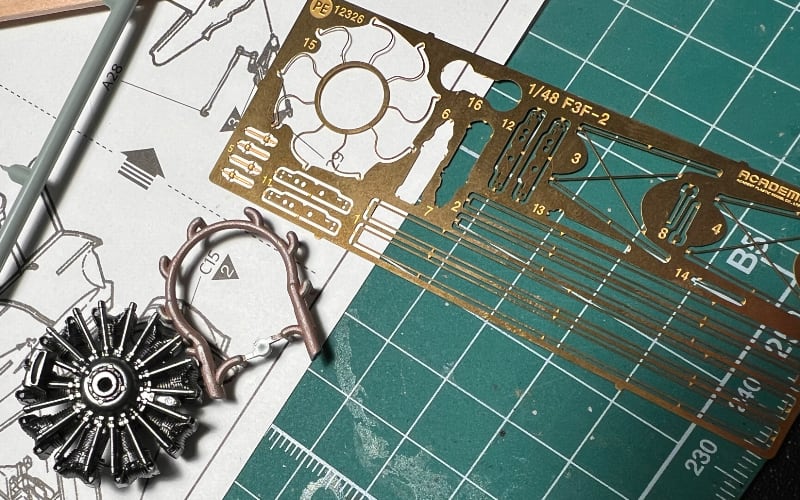
Photo-etch parts from Eduard and ICM offer fine detail but require careful bending and cutting with pliers or tweezers. Resin parts from brands like MiniArt and Arma Hobby offer no frills but excellent detail. Choose photo-etch for complex details and resin for robust, easy-to-assemble parts. Always handle resin parts with care due to their fragility.
🔍 Search for more
5
Choosing the Right Decal Setting Solutions
For standard decals, use Microscale Solva-Set or Mr. Mark Softer to improve adhesion and reduce silvering. For stubborn or brittle decals, soak in warm water with a few drops of dish soap, then use Micro Set to promote adhesion. For water-slide decals, apply Micro Set before applying, then Micro Sol to seal and soften. Always follow manufacturer's instructions.
🔍 Search for more