⚠️
About This Content
These tips are automatically generated by an AI language model via Ollama. While the content aims to be helpful, it may contain errors or outdated information. Always verify advice against reliable sources before applying it to your projects.
All images are original photographs taken by the project creator from actual scale models. However, the card images may not necessarily illustrate the specific tip on that card — they are selected randomly from the available photo collection for visual variety.
1
Airbrushing Vallejo Model Air — Consistency and Pressure
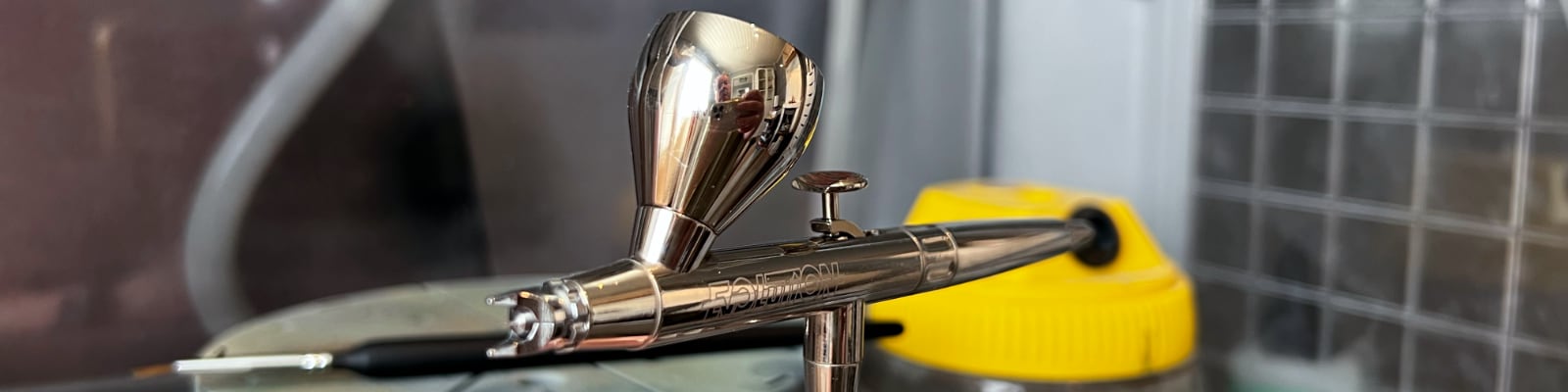
Vallejo Model Air is designed for airbrushing straight from the bottle. However, for optimal performance, mix it with Vallejo Airbrush Thinner at a 3:1 ratio (3 parts paint to 1 part thinner). Add 2-3 drops of Vallejo Flow Improver per 10 drops of thinned paint to maintain fluidity. Airbrush at 15-20 psi (1.0-1.4 bar) pressure using an Iwata HP-CS compressor. Test paint consistency on a white plastic card before starting your project.
🔍 Search for more
2
Base Coat Technique with Alclad II — Two Thin Coats
Alclad II offers exceptional adhesion but requires a specific base coat technique. First, spray a thin, even primer coat using Vallejo Air Primer (light gray). Let it dry for 24 hours. Next, apply two thin coats of Alclad II, allowing 30 minutes drying time between coats. Use an Iwata HP-CS compressor set at 18-20 psi (1.2-1.4 bar). Remember, less is more with Alclad II — avoid heavy coats to prevent runs.
🔍 Search for more
3
Masking Camouflage Patterns — Using Mr. Hobby Masking Tape
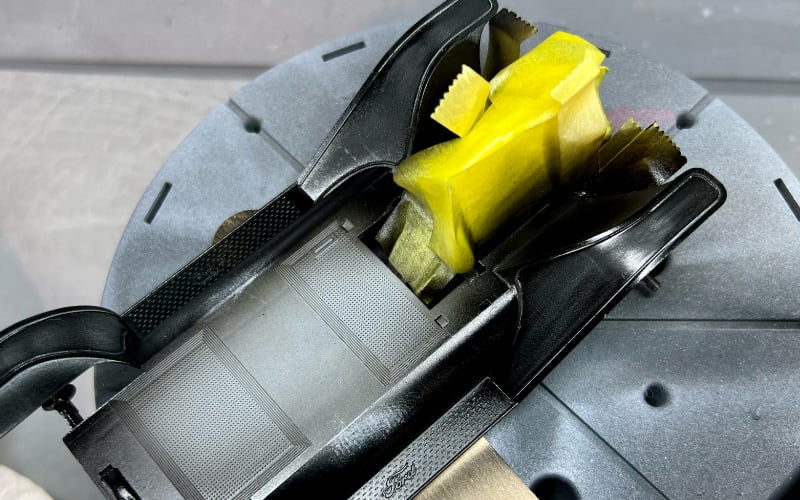
For accurate camouflage patterns, use Mr. Hobby Masking Tape. Apply it in strips along the edges of the panel you want to paint, pressing down firmly to avoid paint bleeding. For curved surfaces, use Mr. Hobby Masking Tape for Curved Surfaces. Paint your base colors, then remove the tape immediately after painting to prevent lifting dried paint. Clean up any residue with Mr. Hobby Masking Tape Remover.
🔍 Search for more
4
Applying AK Interactive Washes — Wet Blending Technique
AK Interactive Washes offer rich, realistic color gradients. Dilute your chosen wash with AK Interactive Wash Medium at a 1:1 ratio. Apply the wash liberally using a soft, wide brush, focusing on recesses and panel lines. While the wash is still wet, use a damp brush to blend it gently across raised edges. Allow the wash to dry for 24 hours before gently wiping off excess with a damp cloth. Seal with Vallejo Acrylic Gloss Varnish before applying decals.
🔍 Search for more
5
Streaking with Oil Paints — Realistic Engine Streaks
Create realistic engine streaks using oil paints and brushwork. Mix a small amount of Raw Umber and Burnt Umber oil paints with a touch of white spirit to create a streaking solution. Using a fine detail brush (), dip the tip into the mixture, then lightly touch the bristles to a paper towel to remove excess paint. Carefully stroke the streaks along the edges of your engine, allowing them to blend naturally. Allow the oil paint to dry completely before sealing with Vallejo Acrylic Flat Varnish.
🔍 Search for more