⚠️
About This Content
These tips are automatically generated by an AI language model via Ollama. While the content aims to be helpful, it may contain errors or outdated information. Always verify advice against reliable sources before applying it to your projects.
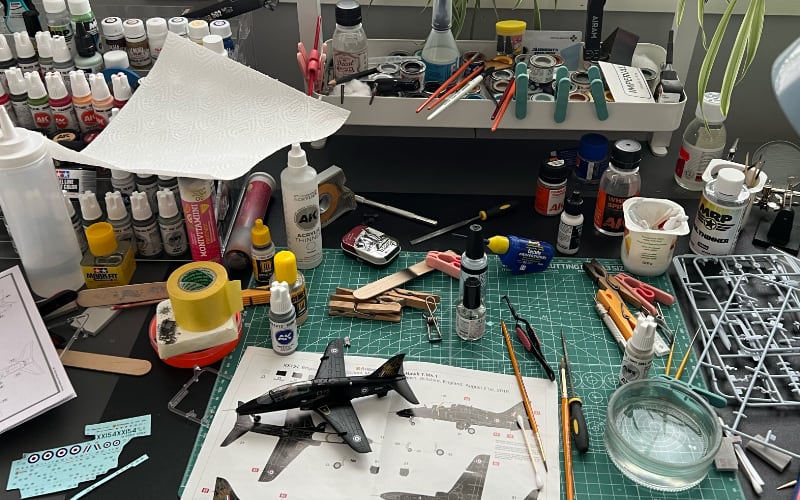
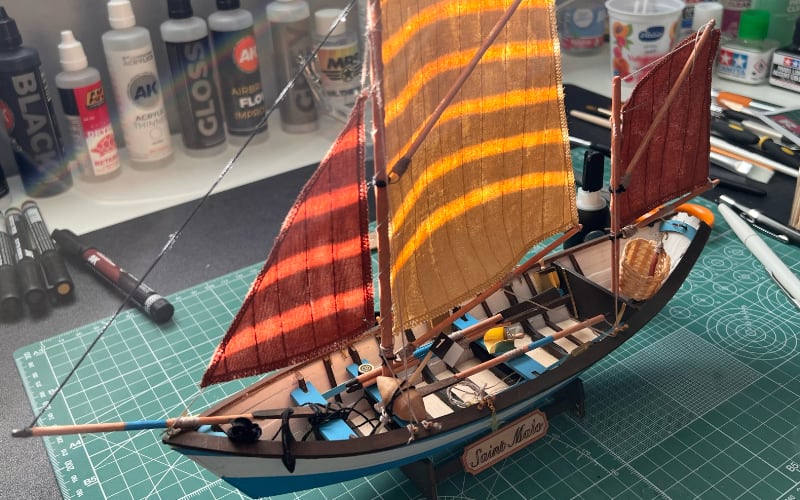
All images are original photographs taken by the project creator from actual scale models. However, the card images may not necessarily illustrate the specific tip on that card — they are selected randomly from the available photo collection for visual variety.
1
Removing Old Paint from Kits
To remove old paint from plastic kit parts without damaging details, use 'Mr. Hobby Super Cleaner'. Apply it liberally to the part, let it soak for 10 minutes, then scrub gently with a soft brush. Rinse under warm water and dry. For stubborn paint, use 'Micro Mesh' abrasive cloths, starting from finest and gradually increasing grit until paint lifts.
🔍 Search for more
2
Fixing Broken Photo-Etch Parts
Broken photo-etch parts can be repaired using 'CA Glue' (Super Glue). Apply a small amount to the join, pressing the parts together immediately. Hold for 15 seconds until set. For better adhesion, roughen the surfaces with a fine file before gluing. Once set, clean excess glue with alcohol and use a hobby knife to trim any overhang.
🔍 Search for more
3
Recovering Clogged Airbrushes
Clogged airbrushes can be revived with 'Iwata Airbrush Cleaner'. Disassemble the airbrush, soak the nozzle and needle in cleaner for 15 minutes, then scrub with a toothbrush. Flush with clean water, reassemble, and test spray. For tough clogs, use 'Windex' (glass cleaner) and a pipe cleaner to unclog the needle.
🔍 Search for more
4
Fixing Paint Reactions/Bubbling
Paint reactions causing bubbling can be fixed by applying a 'Tamiya Surface Primer' coat, allowing it to dry, then lightly sanding with 'Micromesh' 12000 or higher grit. Wipe clean with alcohol, apply a gloss coat, and reapply paint. If bubbling persists, test paint compatibility with a small sample first.
🔍 Search for more
5
Stripping Badly Painted Models
To strip a badly painted model, use 'Arma Hobby Paint Stripping Solution'. Apply liberally to the model, let it soak for 15 minutes, then scrub gently with a soft brush. Rinse with water and dry. For stubborn paint, repeat the process, or use 'AK Interactive Strip & Clean' for more aggressive removal. Always test solutions on a small, hidden area first.
🔍 Search for more